

 hr
hr 
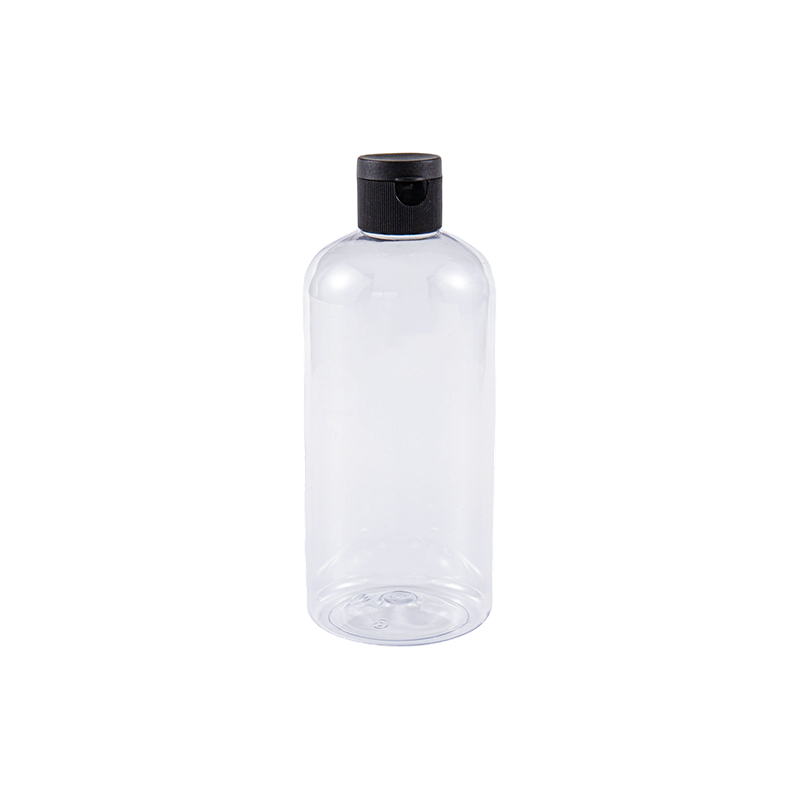
Ova prozirna jednostavna PET boca od 500 ml utjelovljuje praktičnu estetiku s...
Proizvodi
Njega kože Proizvođači
-
-
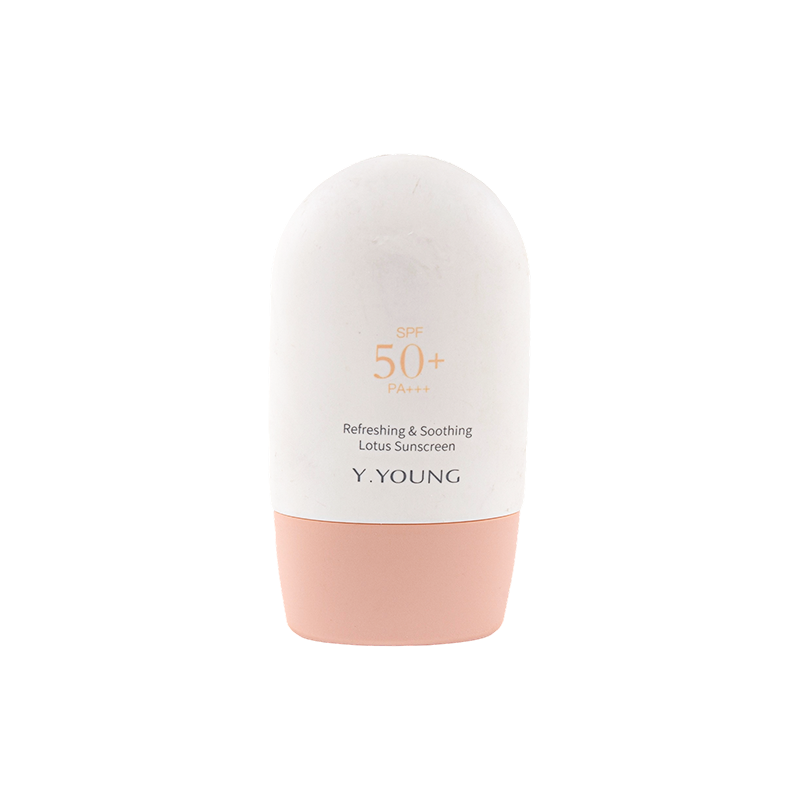 PE boca za zaštitu od sunca od 50 g
Ova PE boca za zaštitu od sunca od 50 g vodeća je u kozmetičkom pakiranju, ko...
-
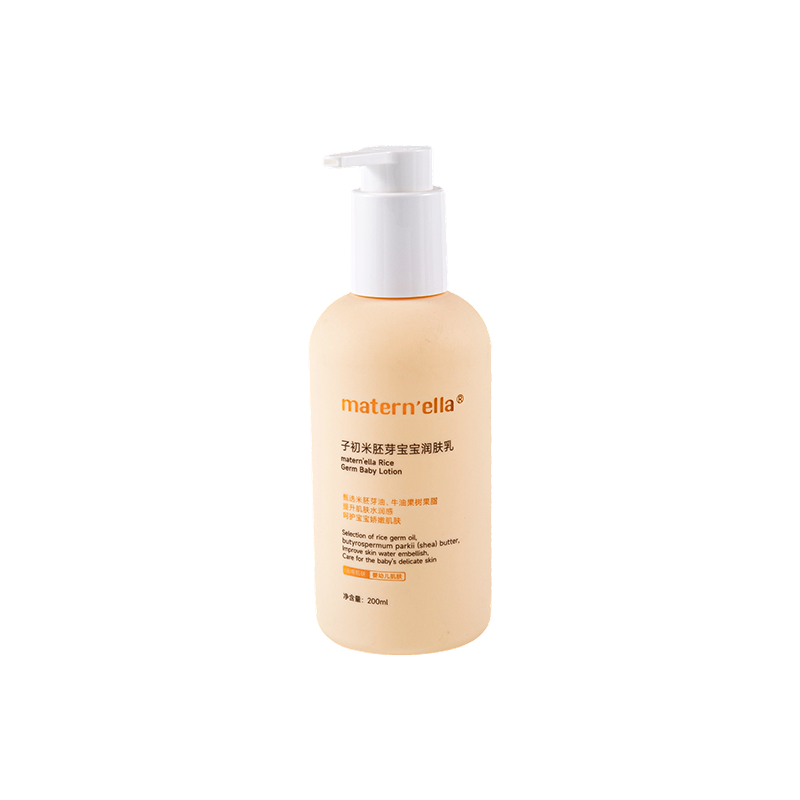 Okrugla PE boca od 200 ml koja se lako drži
Ova okrugla PE boca od 200 ml za jednostavno držanje je prilagođeno rješenje ...
-
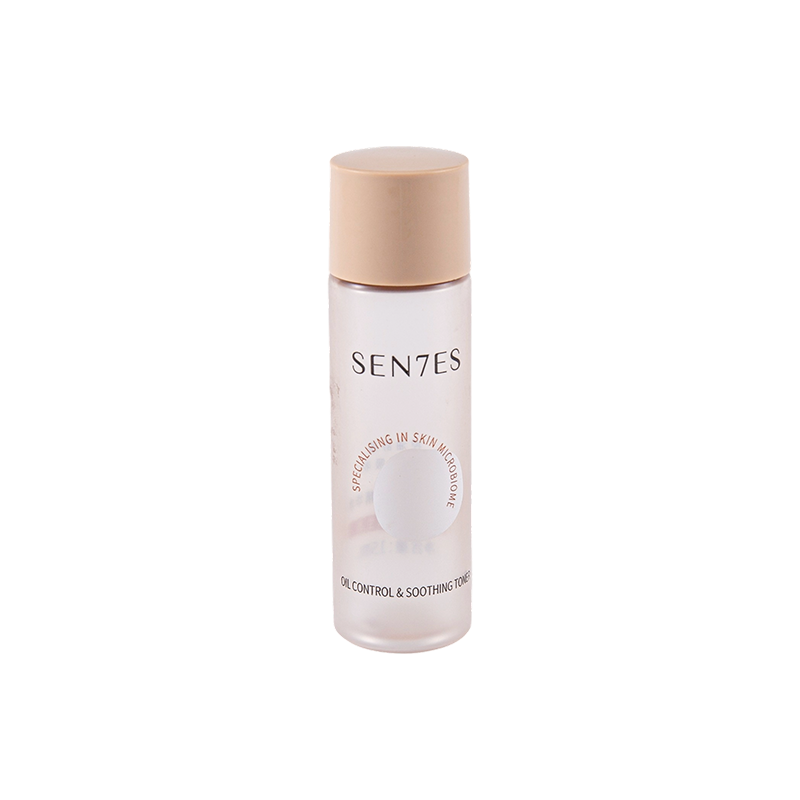 Prozirna kompaktna PET boca od 15ml
Ova prozirna mala PET boca od 15 ml idealna je za brendove za ljepotu i njegu...
-
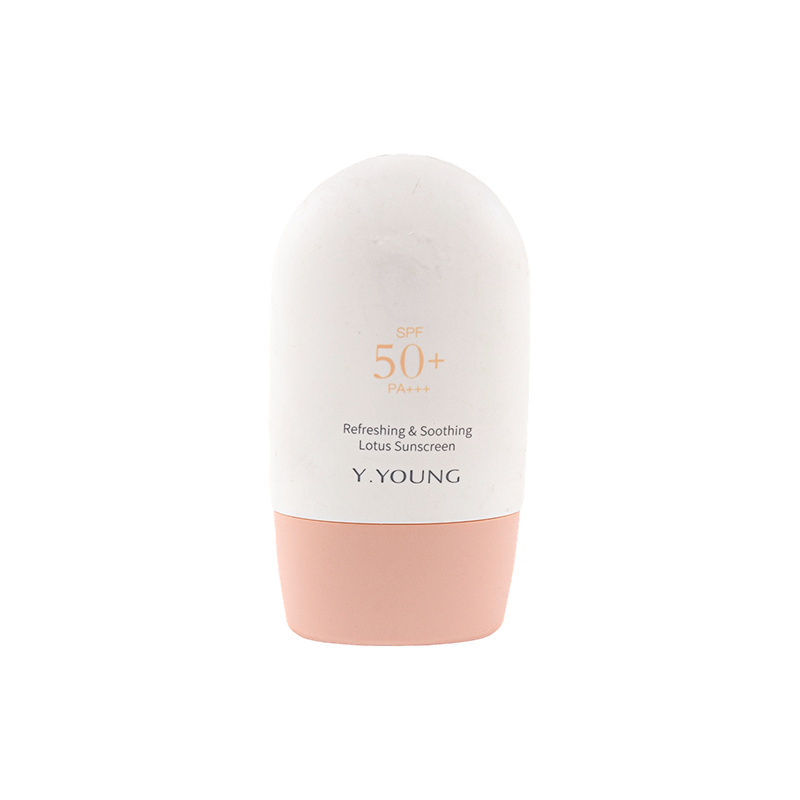 Jednostavna i osvježavajuća PE boca za sunčanje od 50 g
Ova PE boca Simple Fresh Sunscreen od 50 g izvrstan je izbor u kozmetičkom pa...
-
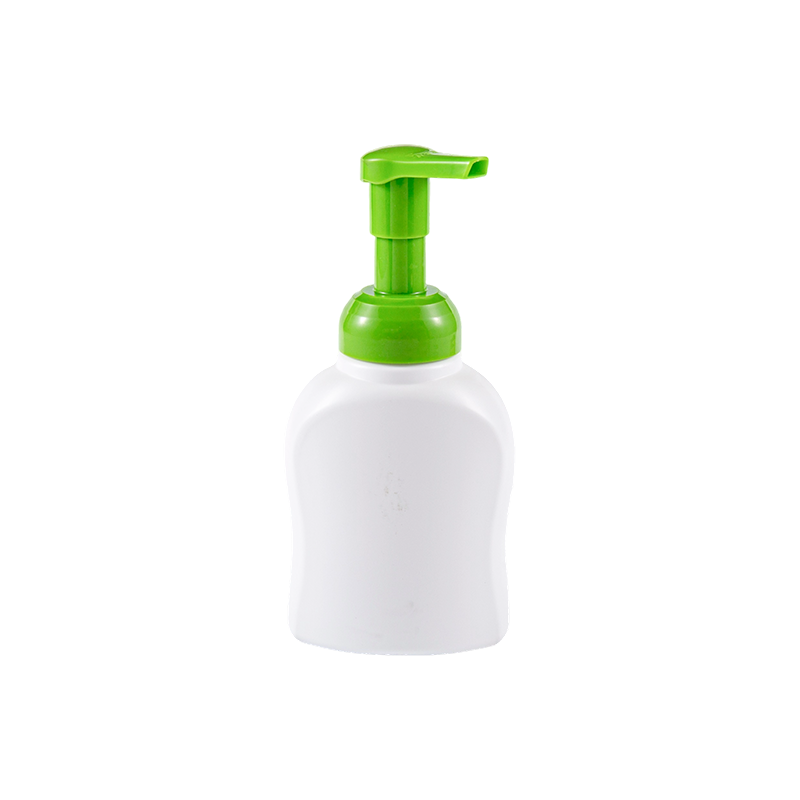 Jednostavna i elegantna bočica od PE pjene od 250 ml
Ova jednostavna i elegantna boca od PE pjene za mousse od 250 ml praktičan je...
-
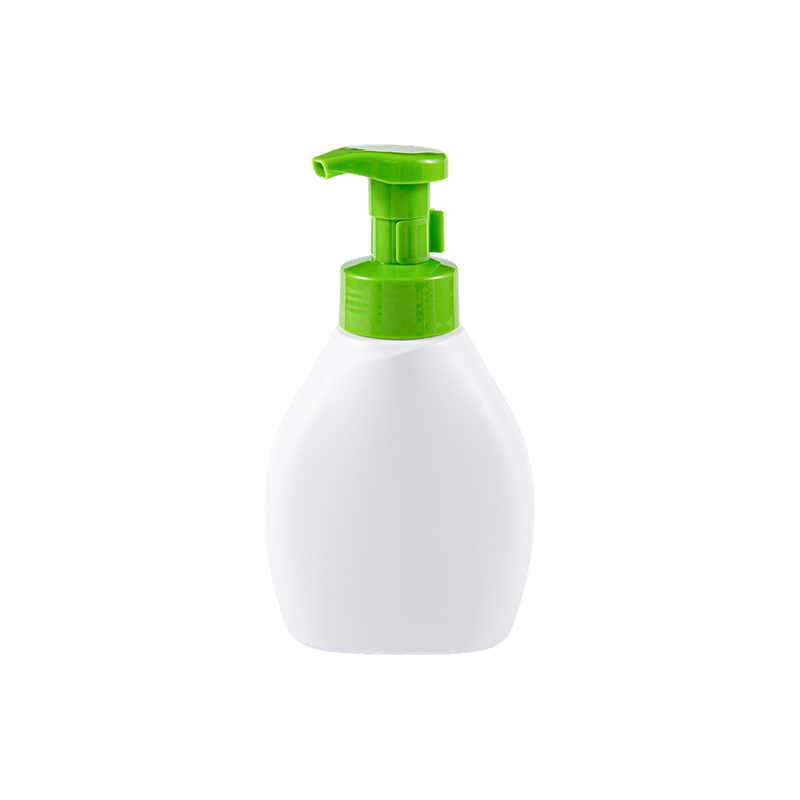 Praktična i izdržljiva PE pjena boca od 500 ml
Ova praktična i izdržljiva PE pjenasta boca od 500 ml idealna je za punjenje ...
-
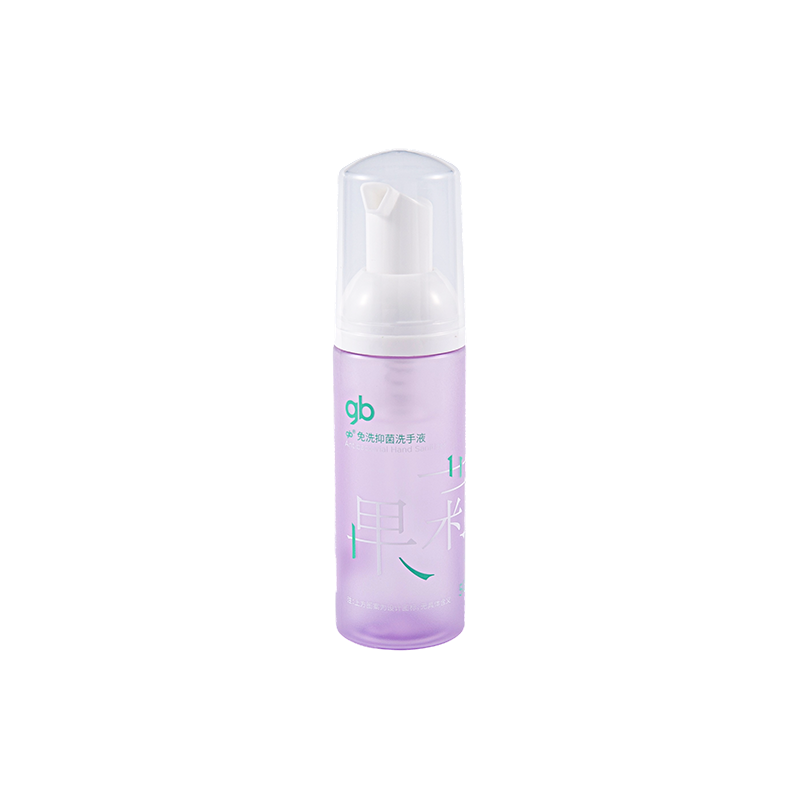 Lagana, praktična PE pjenasta bočica od 50 ml
Ova lagana i praktična PE pjena bočica od 50 ml je pakiranje koje uravnotežuj...
-
 PET boca laganog gela za čišćenje od 250 ml
Izrađena za praktičnost i sigurnost, PET bočica za lagani gel za čišćenje od ...
-
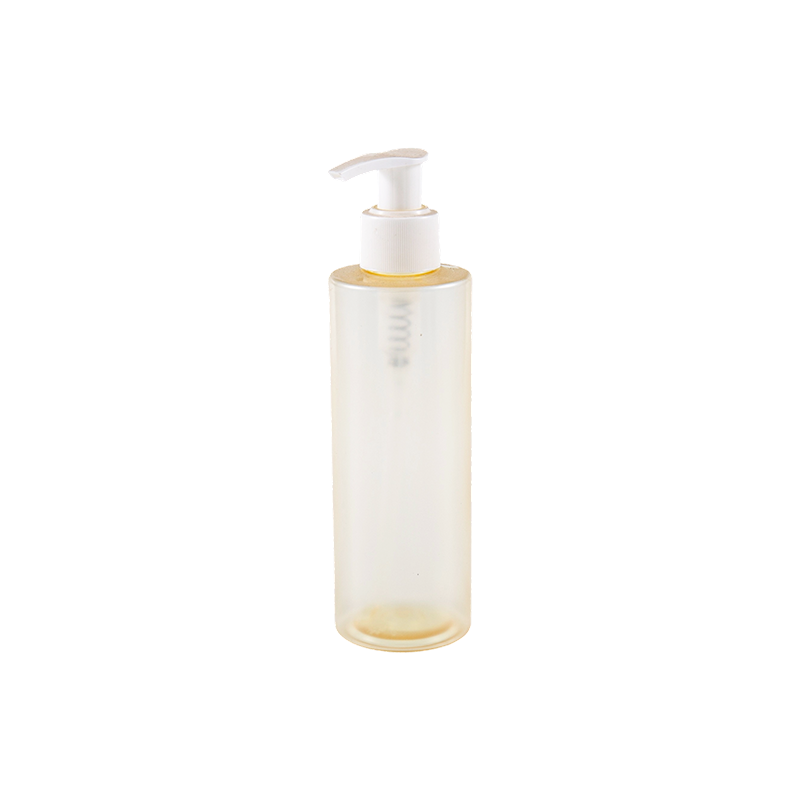 PET boca od 200 ml čvrsta i otporna na pucanje
Ova čvrsta PET boca od 200 ml otporna na lomljenje, izrađena s praktičnim diz...
-
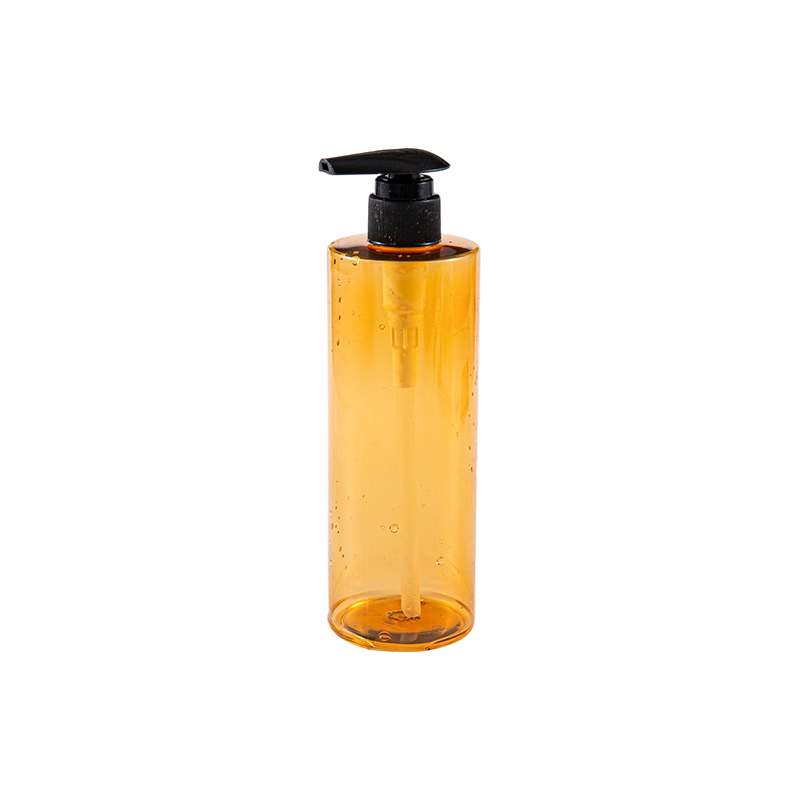 Prekrasna jantarna PET boca otporna na svjetlo od 450 ml
Ova prekrasna jantarna PET boca otporna na svjetlo od 450 ml pouzdano je rješ...
-
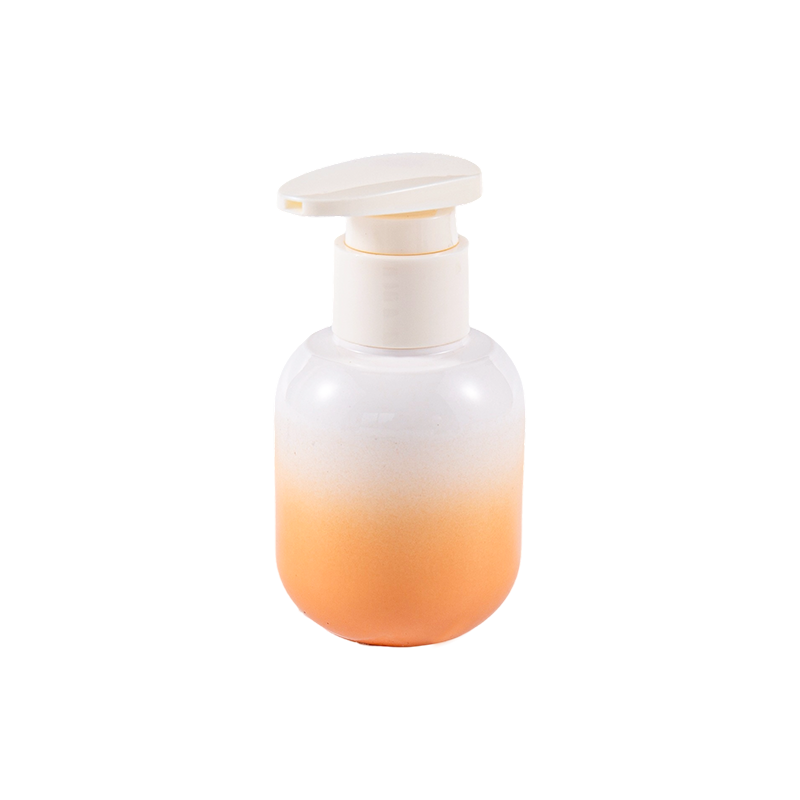 80ml jaka brtvena emulzija PET boca
Izrađena od visokokvalitetnog prozirnog PET materijala, ova PET boca s jakom ...
Osnaživanje robnih marki proizvoda za ljepotu i osobnu njegu visokokvalitetnim rješenjima, luksuznim nosačem estetike i funkcionalnosti. Izrađen od HDPE/PET/PP pogodnog za hranu, s preciznom kontrolom doziranja, zaštitom od propadanja i nepropusnošću za zrak za produljenje roka trajanja.
Pakiranje proizvoda za njegu kože igra ključnu ulogu u zaštiti proizvoda i poboljšanju korisničkog iskustva. Više od običnog spremnika, služi kao vizualno i funkcionalno proširenje marke. Moderna ambalaža za njegu kože dizajnirana je imajući na umu nekoliko ključnih značajki: zaštitu, praktičnost, higijenu i održivost. Visokokvalitetni materijali kao što su pumpe bez zraka, staklene boce ili plastika koja se može reciklirati pomažu u zaštiti proizvoda od zraka, svjetlosti i kontaminacije, osiguravajući svježinu i produžujući rok trajanja. Nepropusni poklopci i dozatori jednostavni za korištenje nude jednostavno iskustvo bez nereda, dok opcije putne veličine pružaju praktičnost u pokretu. Vizualno pakiranje utječe na prvi dojam i odluke o kupnji. Atraktivan dizajn, završna obrada mekana na dodir i jasno označavanje stvaraju povjerenje i prenose obećanje marke. Bilo da se radi o minimalističkoj bočici seruma ili luksuznoj teglici s kremom, pakiranje priča priču o proizvodu koji se nalazi unutra — prirodnom, kliničkom ili ekološki osviještenom. Što se tiče primjene, dobro dizajnirano pakiranje podržava širok raspon proizvoda za njegu kože — od sredstava za čišćenje i tonika do maski, seruma i hidratantnih krema. Na primjer, bočice s pumpicom sprječavaju oksidaciju za serume s vitaminom C, dok su tube s vrhovima aplikatora idealne za kreme za oči. Staklenke mogu doći s lopaticama za promicanje higijene i sprječavanje unakrsne kontaminacije. Štoviše, rješenja za pakiranje koja se mogu ponovno puniti postaju sve popularnija, pomažući robnim markama da smanje otpad i izgrade lojalnost ekološki osviještenih potrošača. Na današnjem konkurentnom tržištu, ambalaža za njegu kože nije samo estetika – ona je strateški alat za komunikaciju, sigurnost i održivost. Robne marke koje ulažu u promišljeno, funkcionalno pakiranje ne samo da povećavaju privlačnost svojih proizvoda, već i jačaju povjerenje potrošača i potiču ponovne kupnje.
Brotherpacking
Izradio BrotherPacking, izgrađen s domišljatošću
Suzhou Brotherpacking Plastic Co., Ltd. , Osnovana 2013. godine, profesionalni je proizvođač specijaliziran za prilagođenu plastičnu ambalažu za svakodnevnu kemijsku industriju. S potpuno integriranim proizvodnim sustavom - uključujući interni dizajn kalupa, razvoj proizvoda, brizganje i puhanje, označavanje i završnu montažu - služimo širokom rasponu potreba za ambalažom za brendove njege kože, kose, tijela i kućne njege. Naš pogon uključuje neovisnu radionicu za kalupe, brze CNC strojeve, preko 50 strojeva za brizganje i više od 30 strojeva za puhanje, podržavajući više vrsta materijala kao što su PE, PP, PET i PETG. Sản phẩm se izvozi diljem Europe, Amerike i jugoistočne Azije. U BrotherPacku održavamo duh obrtništva i kontinuiranog poboljšanja, pružajući visokokvalitetna, fleksibilna i skalabilna rješenja za ambalažu kojima vjeruju globalni klijenti.
-
25+
Godine iskustva u industriji
-
20000㎡
Proizvodni pogon
-
150+
Kvalificirani zaposlenici
-
100+
Napredni strojevi za proizvodnju

Poruka povratne informacije
Vijesti
-
Zašto su spremnici za lijekove često poluprazni Svatko tko je otvorio bočicu tableta i primijetio višak prostora na vrhu vjerojatno se zapitao jesu li potkrali pri kupnji. U stvarnosti, ovaj prazan prostor, poznat kao prostor za glavu, namjerna je dizajnerska odluka, a ne propust. Farmaceutske...
READ MORE -
Zašto je izbor pakiranja bitan za marke proteinskih prahova Proteinski prah vrlo je osjetljiv proizvod koji je izložen zraku, vlazi i ponovljenom uzimanju svaki put kada ga potrošač koristi. Za razliku od dodataka za jednokratnu upotrebu, spremnik proteinskog praha otvara se nekoliko desetaka ...
READ MORE -
Zašto je materijal plastične boce važan za šampon i gel za tuširanje Odabir pravog materijala za plastičnu bocu jedna je od najvažnijih odluka koje brend donosi kada razvija šampon ili pakiranje gela za tuširanje . Materijal određuje kako bočica izgleda na polici, koliko dobro štiti for...
READ MORE
POZNAVANJE INDUSTRIJE
1. Materials selection for barrier performance and feel
Practical material selection goes beyond "glass vs. plastic" — choose materials based on quantified barrier metrics (oxygen transmission rate, water vapor transmission rate, light transmission percentage) and tactile requirements (surface coefficient, thickness). For oxygen-sensitive serums, polyethylene terephthalate (PET) with an EVOH or SiOx barrier layer often balances cost and oxygen barrier; for very high-barrier needs consider laminated glass or multi-layer co-extruded tubes. When specifying substrate, require suppliers to supply measured OTR and WVTR values at stated temperature/humidity so you can model shelf life impacts rather than guessing.
Key test values to request from converters
- Oxygen transmission rate (cc/m²·day) at 23°C/50% RH and at accelerated conditions (e.g., 40°C/75% RH).
- Water vapor transmission rate (g/m²·day) under the same controlled conditions.
- Light transmittance % across 200–800 nm (critical for photo-oxidative actives).
- Surface energy/contact angle (relevant for adhesive label bonding and coating performance).
2. Compatibility testing: packaging × formula interactions
Compatibility testing should be done early and be formula-specific. Tests should include migration (GC-MS/HPLC of extractables), sorption (loss of active/solvent into skin care product packaging), discoloration, and mechanical effects (swelling/softening of elastomeric seals). Use accelerated aging (e.g., 40°C/75% RH for plastic; 50°C for short bursts) but always correlate accelerated results back to real-time data when possible.
A practical compatibility plan (minimum)
- Initial extraction screen: solvent blanks of packaging components analyzed for extractables.
- Short-term sorption: quantify active loss into substrate after 7, 14, 28 days.
- Container closure integrity on filled units (pressure decay or vacuum decay depending on closure).
- Visual and olfactory checks for discoloration or off-odors after stress.
3. Dispensing design to reduce contamination and waste
Design choices for pumps, droppers, and tubes impact both microbial risk and consumer usage. Airless pump systems reduce air ingress and preserve actives; metered pumps ensure dose consistency and reduce overuse. Consider valve designs with integrated filters if product will be used around the eye area or applied to compromised skin.
Practical dispensing features to specify
- Airless piston with one-way valve and silicone barrier for high-oxidation-sensitivity formulas.
- Metered dose pumps calibrated to deliver 0.2–0.5 mL for serums (document acceptable dose range with RSD ≤10%).
- Tamper-evident sealing that does not require full removal by elderly users (consider pull-tabs with easy-peel features).
4. Regulatory labeling and claims that affect packaging choices
Packaging must carry legally required information (ingredient declarations, net quantity, warnings, batch code, manufacturer/distributor address) placed legibly and durably. Certain claims (e.g., "recyclable," "biodegradable," "compostable") require evidence and often influence material selection — e.g., to claim "compostable" you may need EN 13432 certification and appropriate compostability logos, which excludes many multi-layer films.
Label durability & marking checklist
- Placement of net weight in metric units and font size per regional regulations.
- Batch/lot code and expiry or PAO (period after opening) symbol location and format—ensure permanent marking method for glass vs. plastic (inkjet vs. laser etch).
- Claims substantiation file: keep supplier certificates, third-party test reports, and artwork approvals together for audits.
5. Sustainable design and end-of-life planning
Design for recyclability often conflicts with barrier or aesthetic choices. Apply the "recycle-first" hierarchy: mono-materials > easily separable components > recyclable inks > reduction of mixed materials. If using multi-materials for barrier, provide clear consumer instructions for separation or label with EPR-compliant icons. Consider refill systems — if introducing a refill pouch, ensure pouch material has a lower lifecycle GHG footprint and that the closure is compatible with the primary unit.
Material sustainability comparison (quick reference)
| Material | End-of-life | Suitability |
| Glass | Widely recyclable | Good for oils/actives, heavier weight |
| Mono-polyethylene (PE/HDPE) | Recyclable where streams exist | Good for squeezables, recyclable if mono-material |
| Multi-layer laminates | Often not recyclable | Excellent barrier, low material weight |
6. Anti-counterfeiting and authentication methods
Counterfeits are a major risk for premium skincare. Options range from overt (holograms, tamper-evident seals) to covert (microtext, taggants, covert inks readable under UV) and forensic (DNA markers, isotopic tagging). Choose a layered approach: a consumer-verifiable overt feature plus a supply-chain-level covert or forensic feature for enforcement.
Implementation checklist
- Decide which SKU tiers warrant forensic tagging vs. overt features (cost-benefit analysis).
- Integrate authentication mark into artwork and manufacturing steps; avoid last-minute stick-ons that are easily copied.
- Maintain a secure database of serial numbers/unique QR codes for scan-to-verify systems.
7. Filling, capping and supply-chain robustness
Skin care product packaging selections must be validated on the intended production equipment. Consider tolerance stacks (bottle mouth finish variance, cap inner skirt tolerance) to ensure consistent sealing and torque. Also plan supply-chain resilience: dual-sourcing for critical components, safety stock calculations based on lead times, and clear change-control procedures with suppliers to manage material, color or finish changes that can affect fill lines or labeling.
Operational requirements to include in RFQs
- Maximum dimensional tolerance limits for neck finish, headspace and cap threads; include gauge drawing.
- Recommended capping torque range and cap push-on/final torque verification method.
- Minimum order quantities, lead times, and documentation for material certifications and change notifications.
Autorska prava © Suzhou Brotherpacking Plastic Co., Ltd. Sva prava pridržana.
