

 hr
hr 
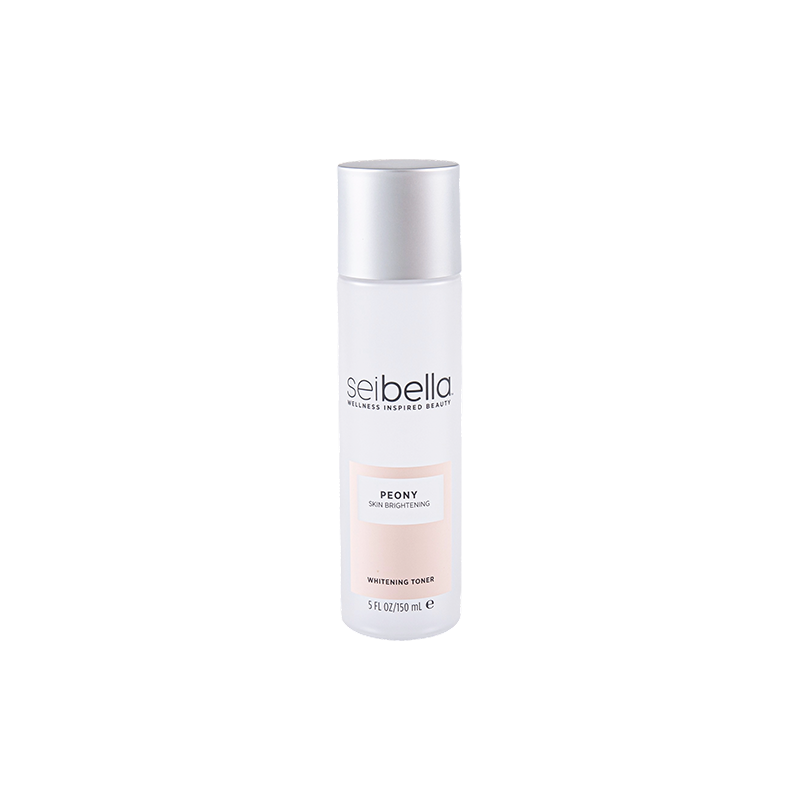
Ova jednostavna i elegantna PET boca od 150 ml idealna je za pakiranje za nje...
Proizvodi
Proizvodi Proizvođači
-
-
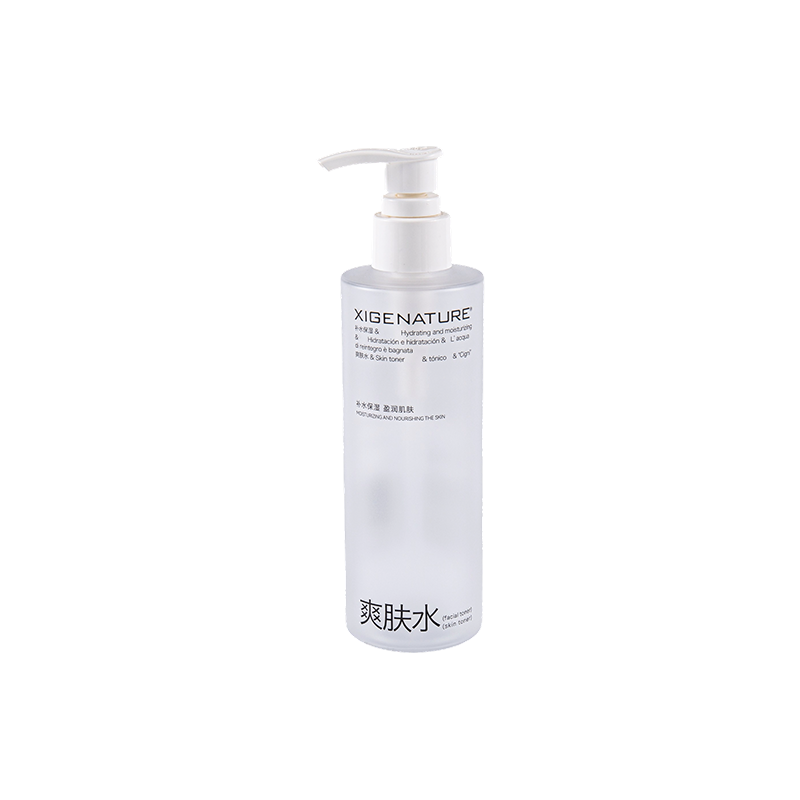 Prozirna matirana PET boca od 200 ml
Ova prozirna matirana PET boca od 200 ml idealna je za pakiranje za ljepotu i...
-
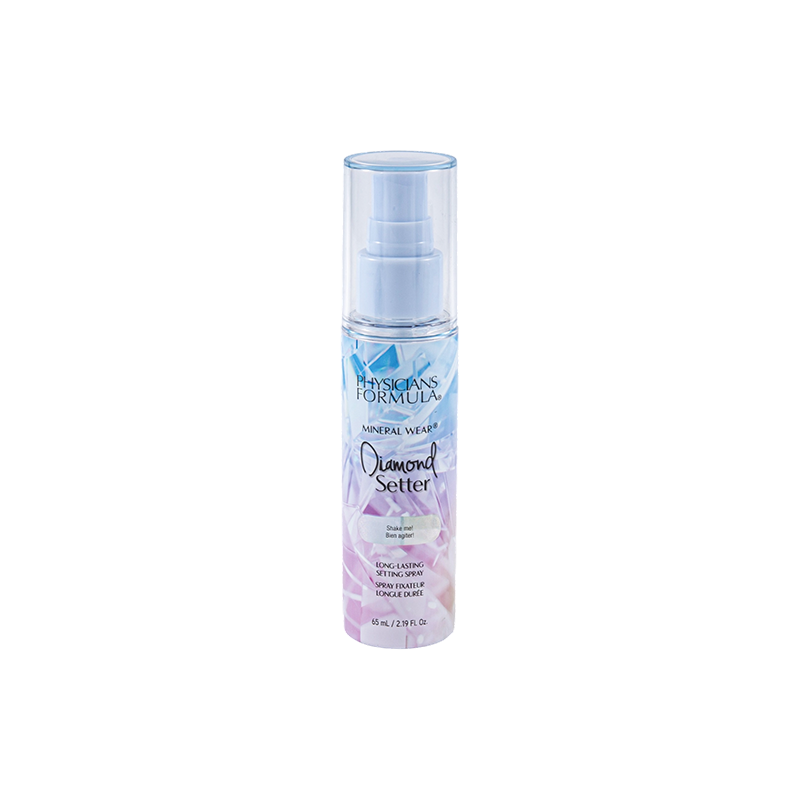 Prozirna prijenosna PET boca od 60 ml
Ova prozirna prijenosna PET boca od 60 ml idealna je za pakiranje ljepote. Iz...
-
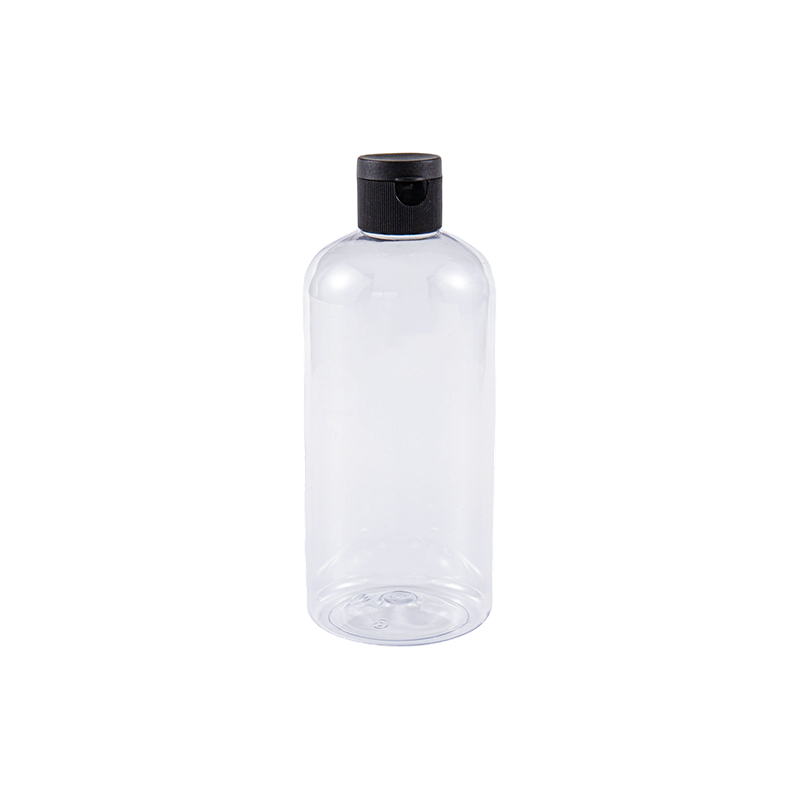 Jednostavna prozirna PET boca od 500 ml
Ova prozirna jednostavna PET boca od 500 ml utjelovljuje praktičnu estetiku s...
-
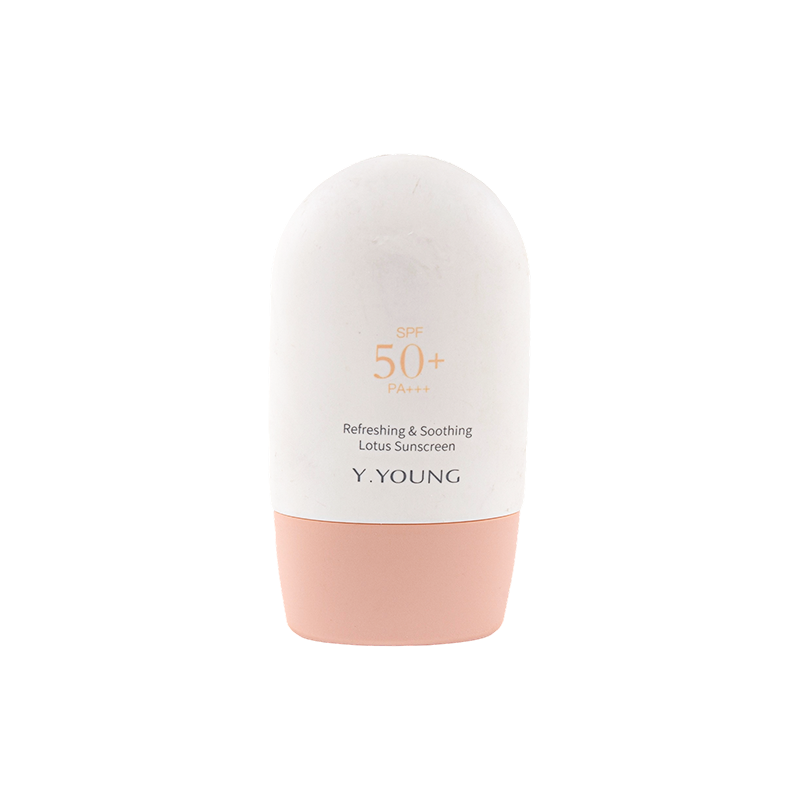 PE boca za zaštitu od sunca od 50 g
Ova PE boca za zaštitu od sunca od 50 g vodeća je u kozmetičkom pakiranju, ko...
-
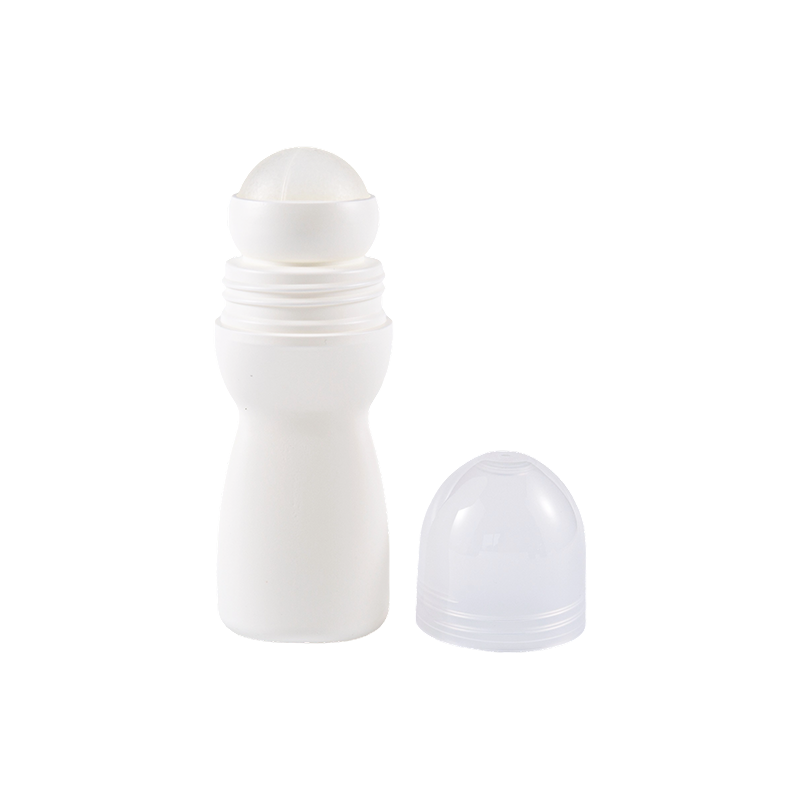 PE boca klasičnog roll-on dizajna od 50 ml
Ova PE boca klasičnog roll-on dizajna od 50 ml praktičan je izbor za svakodne...
-
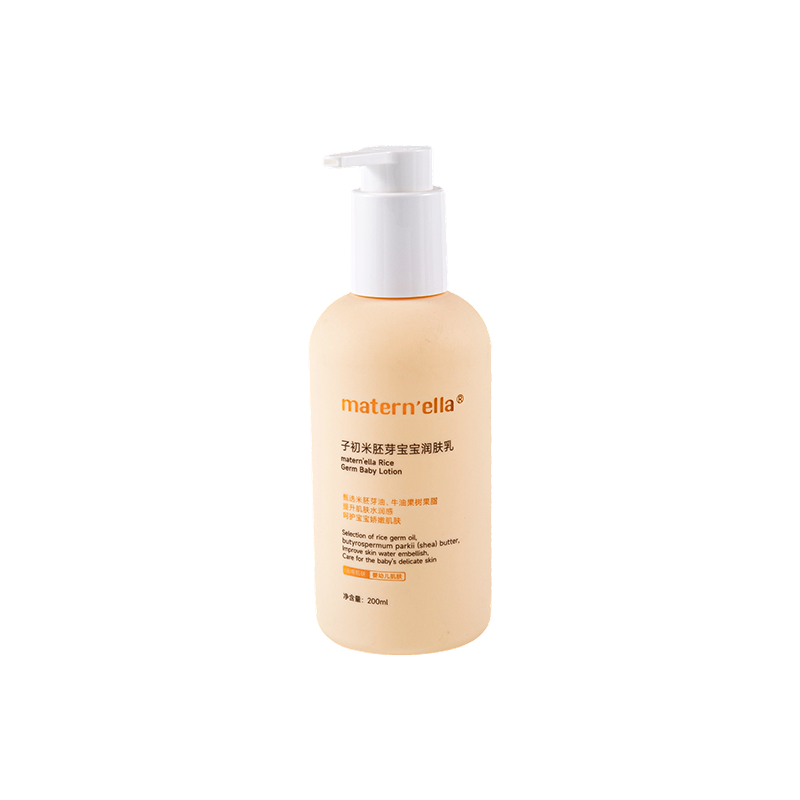 Okrugla PE boca od 200 ml koja se lako drži
Ova okrugla PE boca od 200 ml za jednostavno držanje je prilagođeno rješenje ...
-
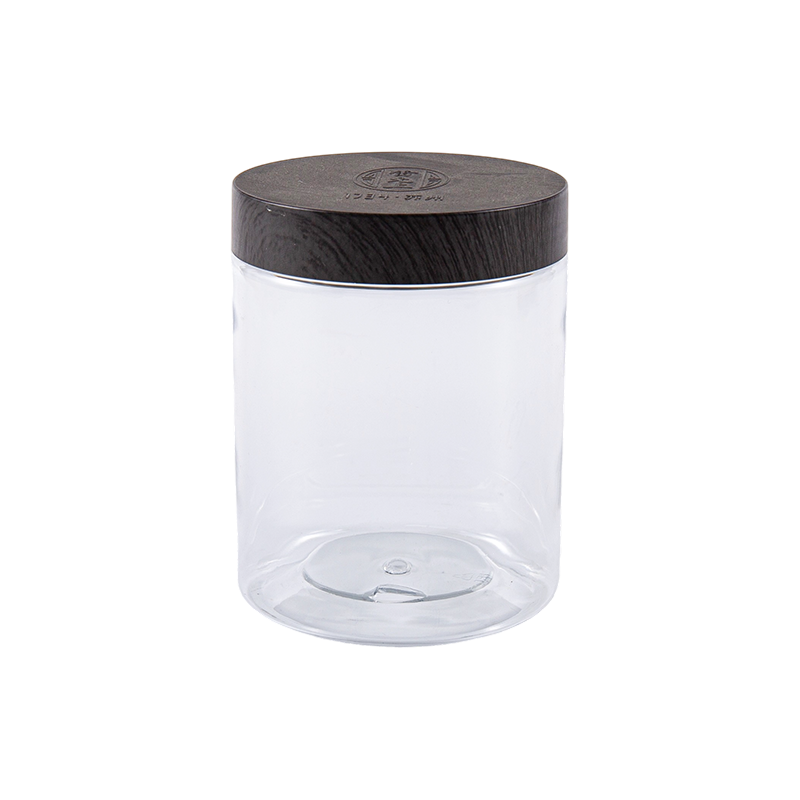 Prozirna PET boca otporna na koroziju od 480 ml
Ova prozirna PET boca otporna na koroziju od 480 ml idealna je za pakiranje p...
-
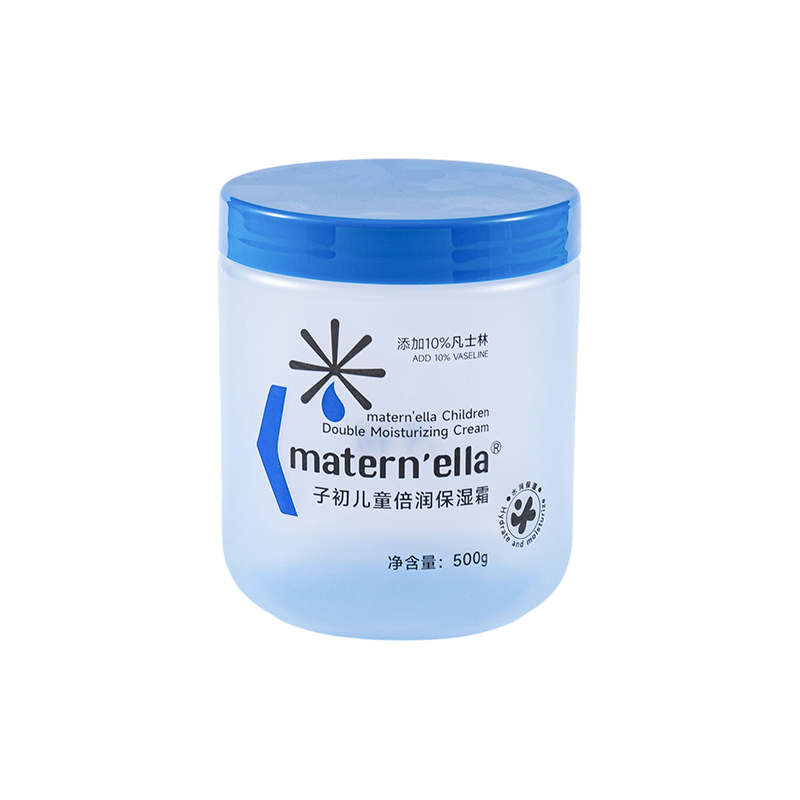 PP boca za njegu tijela od 500 ml
U svakodnevnoj njezi tijela, prava bočica može učiniti proces njege kože ugod...
-
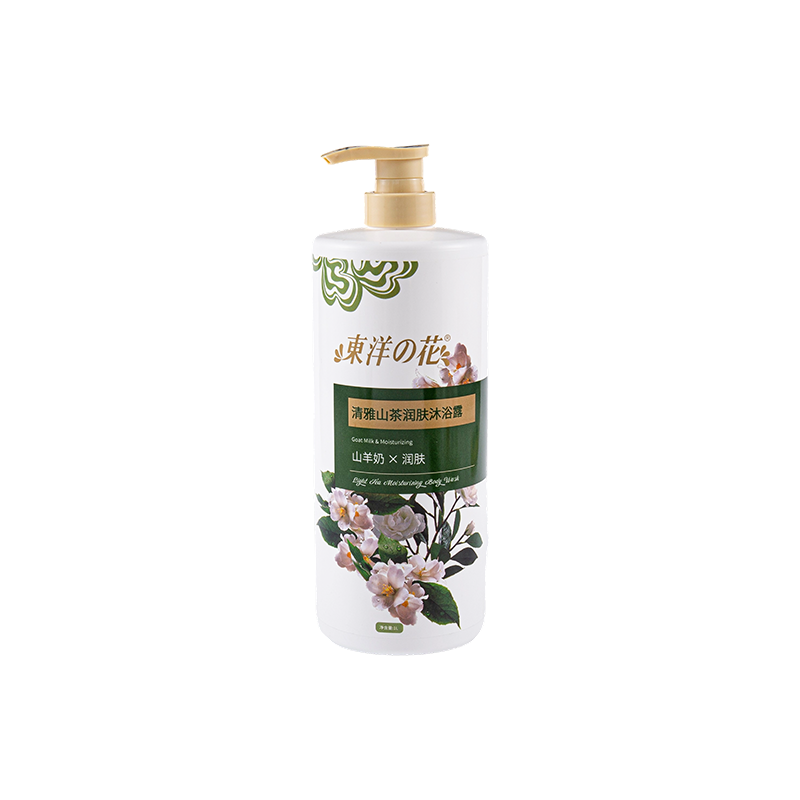 Elegantna i izdržljiva PE boca od 1000 ml
Ova lijepa i izdržljiva PE boca od 1000 ml idealna je za toaletne potrepštine...
-
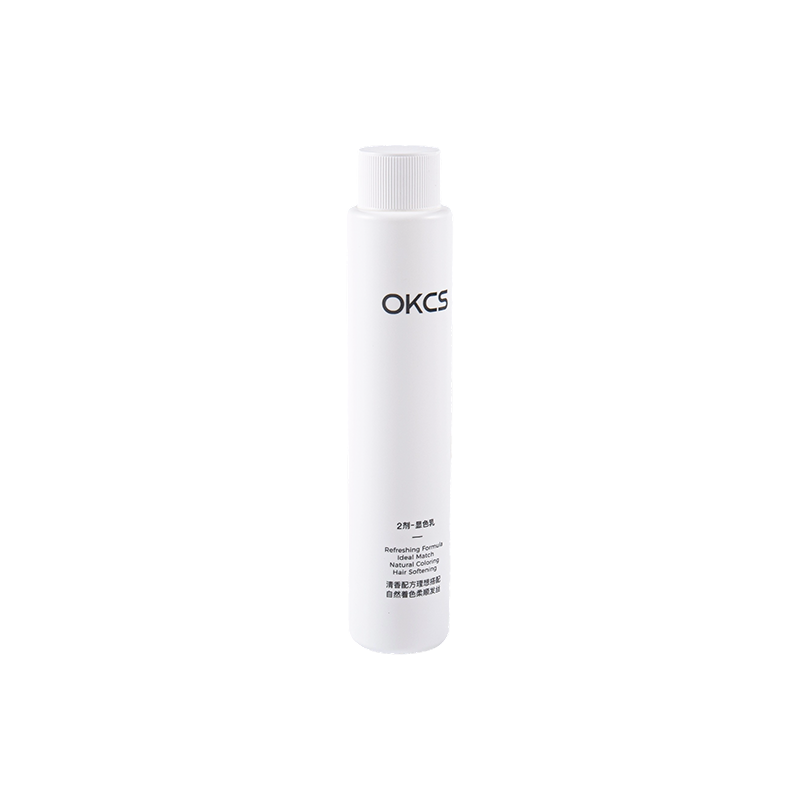 80 ml sigurna i kemijski otporna PP bočica
Ova sigurna i kemijski otporna PP bočica od 80 ml idealan je suputnik razvija...
-
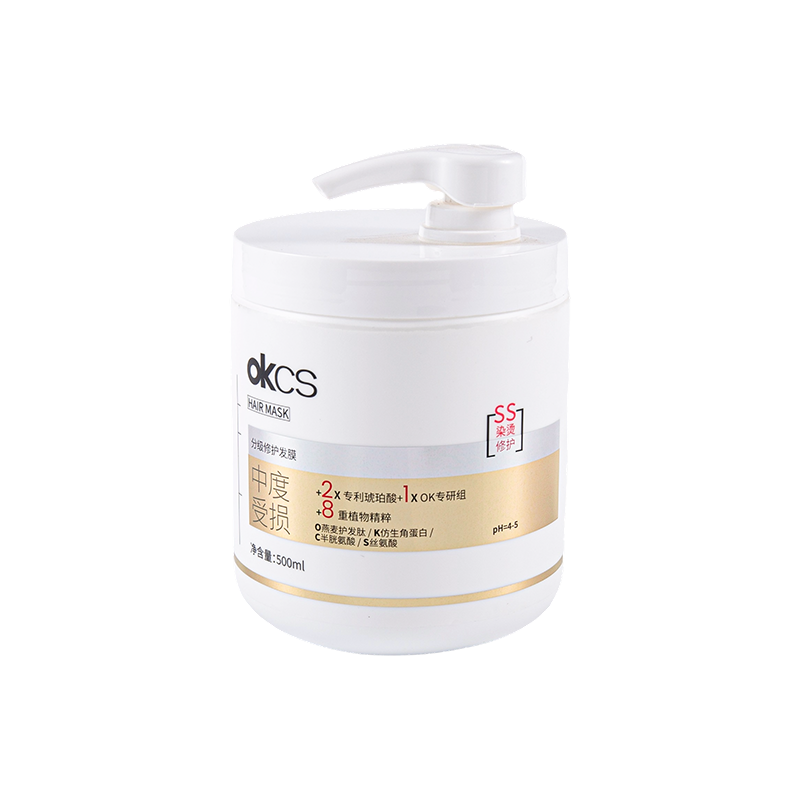 PE boca za njegu kose od 500 ml
Ova PE boca za njegu kose od 500 ml praktičan je izbor za spremanje i čuvanje...
Brotherpacking
Izradio BrotherPacking, izgrađen s domišljatošću
Suzhou Brotherpacking Plastic Co., Ltd. , Osnovana 2013. godine, profesionalni je proizvođač specijaliziran za prilagođenu plastičnu ambalažu za svakodnevnu kemijsku industriju. S potpuno integriranim proizvodnim sustavom - uključujući interni dizajn kalupa, razvoj proizvoda, brizganje i puhanje, označavanje i završnu montažu - služimo širokom rasponu potreba za ambalažom za brendove njege kože, kose, tijela i kućne njege. Naš pogon uključuje neovisnu radionicu za kalupe, brze CNC strojeve, preko 50 strojeva za brizganje i više od 30 strojeva za puhanje, podržavajući više vrsta materijala kao što su PE, PP, PET i PETG. Sản phẩm se izvozi diljem Europe, Amerike i jugoistočne Azije. U BrotherPacku održavamo duh obrtništva i kontinuiranog poboljšanja, pružajući visokokvalitetna, fleksibilna i skalabilna rješenja za ambalažu kojima vjeruju globalni klijenti.
-
25+
Godine iskustva u industriji
-
20000㎡
Proizvodni pogon
-
150+
Kvalificirani zaposlenici
-
100+
Napredni strojevi za proizvodnju

Poruka povratne informacije
Vijesti
-
Zašto su spremnici za lijekove često poluprazni Svatko tko je otvorio bočicu tableta i primijetio višak prostora na vrhu vjerojatno se zapitao jesu li potkrali pri kupnji. U stvarnosti, ovaj prazan prostor, poznat kao prostor za glavu, namjerna je dizajnerska odluka, a ne propust. Farmaceutske...
READ MORE -
Zašto je izbor pakiranja bitan za marke proteinskih prahova Proteinski prah vrlo je osjetljiv proizvod koji je izložen zraku, vlazi i ponovljenom uzimanju svaki put kada ga potrošač koristi. Za razliku od dodataka za jednokratnu upotrebu, spremnik proteinskog praha otvara se nekoliko desetaka ...
READ MORE -
Zašto je materijal plastične boce važan za šampon i gel za tuširanje Odabir pravog materijala za plastičnu bocu jedna je od najvažnijih odluka koje brend donosi kada razvija šampon ili pakiranje gela za tuširanje . Materijal određuje kako bočica izgleda na polici, koliko dobro štiti for...
READ MORE
POZNAVANJE INDUSTRIJE
1. Material selection beyond PET/PCR — matching barrier, processability and cost
Choosing a plastic bottle packaging material for cosmetics should go past the shorthand “PET vs HDPE.” Consider three simultaneous constraints: functional barrier (oxygen, water vapor), aesthetic requirements (gloss, clarity, dyeability), and the processing window of your contract filler. For example, amorphous PET gives excellent clarity for serums but has different thermoforming and shrink characteristics than crystallizable PET used for hot-fill applications. When specifying material, always list the target service life, expected headspace oxygen and volatile exposure, and the aesthetic finish — suppliers can then propose mono- vs. co-extruded options that hit that triad.
Practical checklist for material selection
- Define product chemistry: aqueous, oil-based, alcohol content ≥20% (solvents affect plastic selection).
- Specify required barrier metrics (target OTR and WVTR values) rather than vague “low-permeability.”
- State processing constraints: blow-molding temp range, fill-temperature, and whether secondary thermal decorating will be used.
- Ask suppliers for technical data sheets showing tensile, gloss, and migration test results under your typical storage temperature.
2. Design for automated filling and capping — avoid late-stage surprises
Many cosmetic lines fail speed or yield targets because the bottle geometry wasn’t validated against the filler/capper. Key design dimensions to validate early are neck finish, panel stiffness (for vacuum or compression during capping), and base geometry (stable on conveyors and nesting in accumulators). Prototype trials on the actual line — or at least on an equivalent servo-driven filler — will reveal handling, vacuum pick-and-place, and torque variability issues that are hard to predict from CAD alone.
Design rules to reduce line stoppages
- Standardize neck finishes across SKUs when possible to reduce changeover and spare-parts inventory.
- Include 2–3 mm stiffening ribs or a gentle draft on thin panels to prevent panel collapse under vacuum or high-torque capping.
- Specify target cap torque and acceptable ± range for torque feedback systems — design thread depth and lead to match those torque limits.
- Validate stack/nest geometry for shrink-wrapped multipacks — mis-nesting is a common cause of conveyor jams.
3. Practical recyclability scoring and LCA shortcuts for quick supplier comparisons
Full life-cycle assessments (LCAs) are ideal but time-consuming. For quick comparisons between bottle suppliers, use a simple recyclability scoring matrix that weights polymer type, mono-material design, presence of non-recyclable additives (metallic pigments, multi-material labels), and use of post-consumer recycled (PCR) content. This gives a numerical score you can use when selecting between competing quotes without waiting for full cradle-to-grave LCAs.
Example quick scoring matrix (use to rank proposals)
| Criterion | Max points | Scoring guidance |
|---|---|---|
| Mono-material design | 30 | Full mono (30); compatible multi-layer (15); mixed incompatible materials (0). |
| PCR content | 25 | >50% (25); 10–50% (15); <10% (5). |
| Label & closure recyclability | 25 | Same polymer label/closure (25); removable label (10); incompatible (0). |
| Transport mass efficiency | 20 | Lightweighting that maintains performance (20); over-spec mass (0). |
4. Barrier strategies: pragmatic use of coatings and multi-layer structures
When product shelf life is limited by oxygen or VOC loss, there are two practical routes: apply functional barrier coatings to a mono-material shell, or move to multilayer co-extruded bottles with a barrier core. Coatings (PVOH, SiOx, or hybrid polymeric barriers) are often lower cost for low-volume SKUs and keep the bottle mono-polymer for recycling. Multilayer co-extrusion gives superior and uniform barrier but complicates end-of-life recycling unless the layers are chemically compatible or designed to be delaminated in recycling streams.
When to choose coatings vs. multilayer
- Coatings: choose when clarity and recyclability are priorities and expected barrier improvements are moderate (e.g., extend shelf life by weeks to months).
- Multi-layer: choose when you need high, long-term barrier (months to years) or when the product contains reactive ingredients that require a true gas/vapor barrier.
- Hybrid: apply a thin inorganic coating (e.g., SiOx) inside a mono-PET bottle for high barrier while keeping the bulk polymer mono-material — verify coating adhesion under filling and cold-chain conditions.
5. Regulatory, migration testing and labeling — practical minimums for cosmetics in bottles
Regulatory requirements vary by market, but for cosmetic packaging solution there are consistent practical minimums every brand should require from their packaging suppliers: specific migration tests against the actual formula, extractables profile under accelerated aging, and evidence of compliance for additives (UV stabilizers, pigments). Don’t accept generic certificates — require test reports tied to the exact resin batch and the intended product contact conditions (temperature and storage duration).
Minimum tests and documentation to request
- Specific migration testing using your finished formulation (or a worst-case simulant) with temperatures/time representative of storage and transport.
- Extractables profile (GC/MS, LC/MS) on the actual bottle and cap materials after accelerated aging.
- Declaration of compliance for regulated additives and pigments, including CAS numbers and maximum use concentrations.
- Clear labeling guidance for secondary packaging: recycling instructions, PCR percentages, and cautionary storage statements as required by target markets.
Autorska prava © Suzhou Brotherpacking Plastic Co., Ltd. Sva prava pridržana.
